Trezor Login: Mastering the Gateway to Your Crypto Security
A detailed exploration of how Trezor’s login process safeguards your assets, with step-by-step instructions, tips, and expert insights.
Understanding Trezor and Its Login Process
Trezor is more than just a hardware wallet — it’s a digital fortress for your cryptocurrencies. Created by SatoshiLabs, Trezor has revolutionized how users store and access Bitcoin, Ethereum, and other crypto assets. The Trezor login system forms the first line of defense, ensuring that no transaction or account access can occur without physical user approval.
Unlike traditional password-based systems, Trezor’s login relies on cryptographic security and physical verification. This ensures that your private keys never touch the online environment — an essential aspect of true cold storage security.
🔐 Why Hardware Wallet Logins Are Game-Changers
When you log in using a Trezor device, your credentials are never transmitted over the internet. Instead, encrypted authentication is performed locally within the device. This eliminates common online threats such as keyloggers, phishing sites, and malware-based attacks that target hot wallets or browser extensions.
Step-by-Step Guide: Logging in to Your Trezor Wallet
Step 1: Connect Your Device
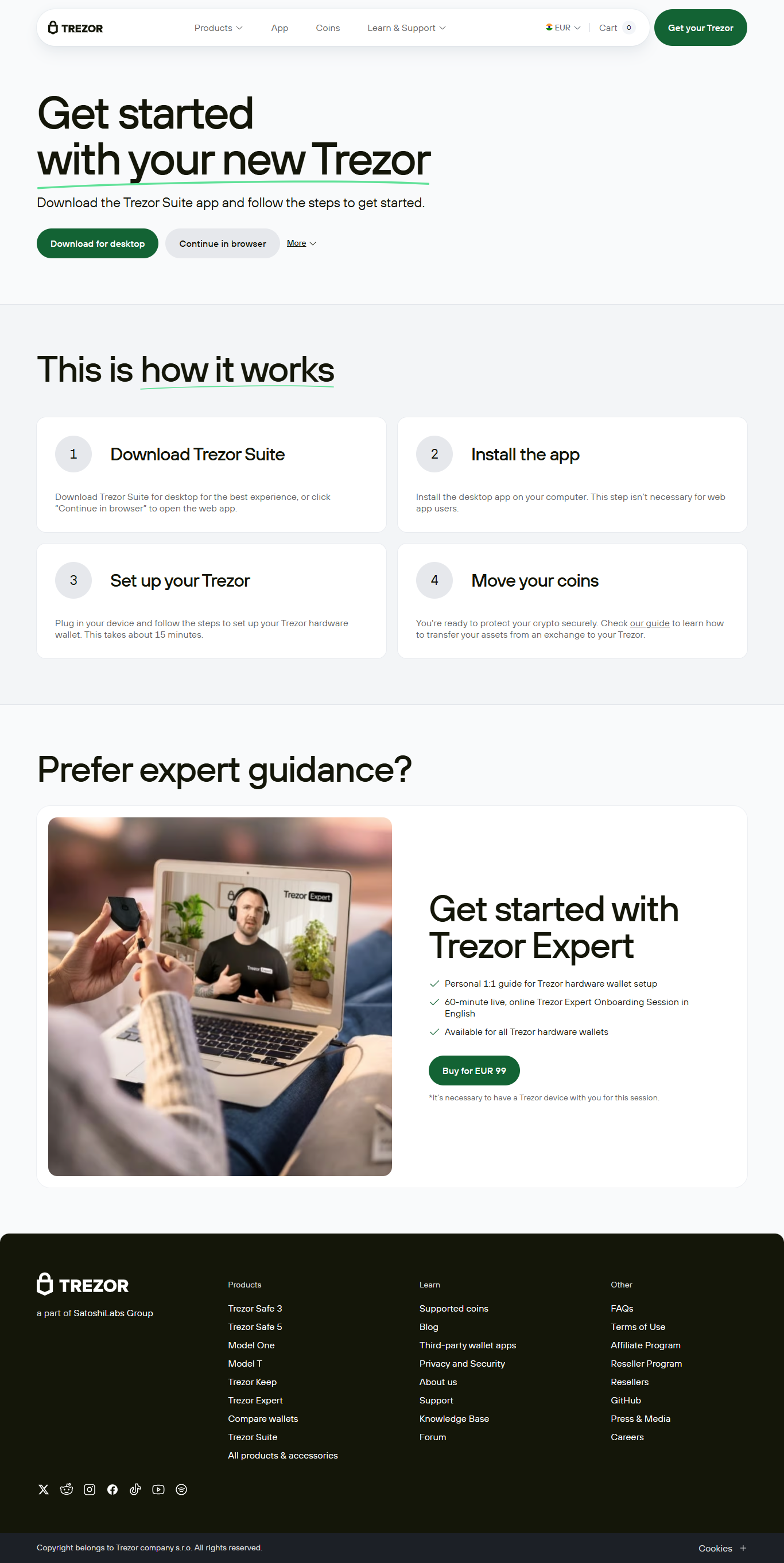
Use the original USB cable to connect your Trezor hardware wallet to your computer. Once connected, the device screen lights up with a prompt to confirm the connection.
Step 2: Launch Trezor Suite
Open the official Trezor Suite application — the secure interface to manage your assets. The Suite allows you to view balances, send crypto, update firmware, and perform security audits.
Step 3: Confirm Connection on Device
The Trezor screen will display a message asking for your authorization to connect. Always verify the authenticity of the message before confirming — this helps you avoid phishing attempts.
Step 4: Enter PIN
On your computer screen, a grid appears. Use the matching pattern displayed on your Trezor device to enter your PIN securely. Since the grid randomizes each time, it renders keystroke logging attacks useless.
Step 5: Access Dashboard
Once validated, your dashboard opens with a full overview of your assets and recent transactions. You can now safely manage your crypto knowing that your login session is fully protected.
Safety Tips During Trezor Login
- Use only official software: Download Trezor Suite directly from the official site. Fake versions can steal your credentials.
- Double-check device prompts: Your Trezor always shows details of the site or application requesting access.
- Enable passphrase protection: A passphrase adds an extra layer of encryption beyond your PIN.
- Keep firmware updated: Regular updates patch vulnerabilities and strengthen device performance.
💡 Expert Insight
Every login attempt is not just authentication — it’s a handshake between you and your wallet’s secure enclave. This simple interaction represents one of the strongest user-to-crypto security relationships available in the modern financial ecosystem.
Troubleshooting Trezor Login Issues
Encountering problems while logging in? Don’t worry — most issues have simple solutions. Here are some common errors and fixes:
⚠️ USB Not Detected
Ensure your cable and port are working. If the device isn’t recognized, reinstall Trezor Bridge or try another USB slot.
🔑 Incorrect PIN
Too many failed attempts trigger a timed delay. If forgotten, reset your Trezor and recover it using your recovery seed phrase.
🌐 Browser Connection Error
If using the web version, clear cache and ensure you’re on a supported browser such as Chrome or Firefox.
Trezor Login vs. Software Wallets
| Feature | Trezor | MetaMask | Trust Wallet |
|---|---|---|---|
| Security Type | Offline Hardware | Online Browser | Mobile Hot Wallet |
| Private Key Exposure | Never exposed | Stored locally | Stored on device |
| Login Authentication | PIN + Physical Confirm | Password only | App password |
FAQs About Trezor Login
1. Can I log in without a Trezor device?
No. You need your hardware wallet connected to initiate any login or transaction approval.
2. What if I lose my Trezor?
Use your recovery seed to restore access on a new Trezor device. Always store this seed offline and never share it digitally.
3. Is login possible from mobile devices?
Currently, Trezor focuses on desktop compatibility, but mobile support is being actively developed.
4. How can I confirm a secure connection?
Always check the address bar for the secure Trezor Suite URL or the digital certificate before entering your PIN.
"With Trezor, your login isn’t just a password — it’s a shield of cryptographic certainty."
Conclusion: Redefining Trust Through Trezor Login
Trezor login is more than just an entry point to your digital wealth; it’s a declaration of ownership, privacy, and independence. Every time you unlock your wallet, you’re leveraging a globally respected hardware-based security framework. This process — simple yet fortified — represents the essence of modern crypto responsibility.
By understanding and mastering Trezor’s login, you’re not just accessing assets; you’re adopting a lifestyle rooted in financial freedom and digital autonomy. In the age of decentralization, the Trezor login stands as a symbol of control, ensuring your keys, your coins, and your future remain firmly in your hands.